
Find Your School Calendar
2026-2027 school year calendars for US public school districts, counties, and cities.
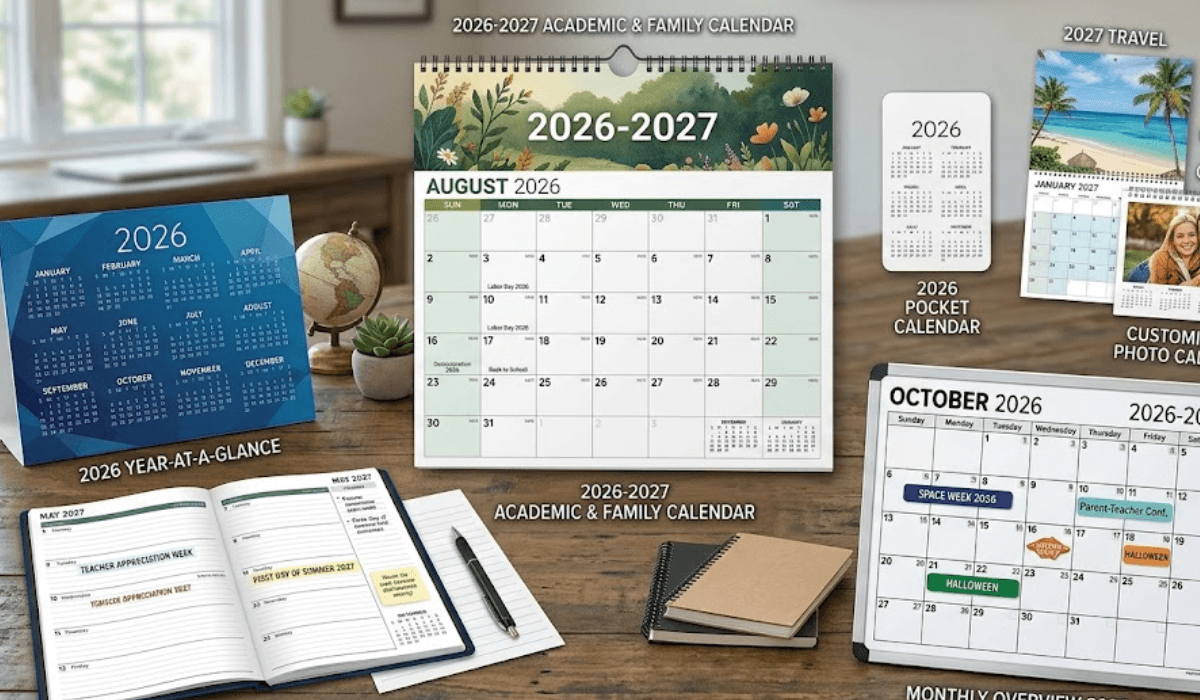
2026–2027 Calendars
Get ahead of the new school year. Browse confirmed and projected start dates, end dates, and full academic calendars for the 2026–2027 school year across all 50 states. Updated as districts release official schedules.
About this Website
At PublicSchoolsCalendar.com, we believe every family deserves easy, reliable access to school schedule information — without having to dig through dozens of district websites.
We compile and maintain school calendars for public school districts across all 50 states, updated every year as districts publish their official academic calendars. Whether you need to know when spring break is in Texas, when New York City schools are closed, or when California students return after winter break, you’ll find it here.
Our database covers:
- 50 states and thousands of school districts
- 2026–2027 academic year calendars
- Federal and state holidays observed by public schools
- Emergency closings updated in real time
- County-level calendar breakdowns for precise local information
Back to School Guide
The start of a new school year is one of the most important transitions of the year for students, parents, and teachers alike. Whether it’s your child’s first day of kindergarten or their senior year of high school, a little preparation goes a long way. This guide covers everything from general school supplies to tips that help the whole family start the year on the right foot.
The start of a new school year is one of the most important transitions of the year for students, parents, and teachers alike. Whether it’s your child’s first day of kindergarten or their senior year of high school, a little preparation goes a long way. This guide covers everything from general school supplies to tips that help the whole family start the year on the right foot.
BACK TO SCHOOL TIPS FOR PARENTS
Tip 1 — Re-establish a sleep schedule Two to three weeks before school starts, gradually shift your child’s bedtime and wake-up time back to a school-night routine. Most school-age children need 9 to 11 hours of sleep per night. A well-rested child learns better, behaves better, and handles the school day with more energy.
Tip 2 — Organize school documents and records Gather important documents your child may need: immunization records, emergency contact forms, proof of residency, and any medical or allergy information that needs to be shared with the school. Having these ready before the first week saves last-minute stress.
Tip 3 — Set up a homework and study space Create a dedicated, distraction-free area in your home for homework and studying. It doesn’t have to be elaborate — a quiet corner with good lighting, a flat surface, and basic supplies is enough. Having a consistent space signals to your child that learning is a priority.
Tip 4 — Review last year’s school calendar and plan ahead Download your school district’s calendar for the coming year and mark important dates: parent-teacher conferences, early release days, holidays, and school events. Add these to your family calendar now so you can plan work schedules, childcare, and vacations in advance.
Tip 5 — Talk to your child about the new year Especially for younger children or those changing schools, take time to talk about what to expect. Address any worries or fears calmly. For older students, check in about their goals for the year — academically, socially, and personally. A simple conversation can make a big difference in confidence and readiness.
Tip 6 — Meet the teacher or attend orientation If your school offers a back-to-school night, open house, or orientation — attend. Meeting your child’s teacher before the first day reduces anxiety for both parent and child. It also opens a communication channel early, which is valuable all year long.
Tip 7 — Prepare morning and after-school routines Work out the logistics before the first day: What time does everyone need to wake up? Who handles drop-off and pick-up? What does after-school care look like? Having a clear routine from day one prevents chaos during the first weeks.
BACK TO SCHOOL TIPS FOR STUDENTS
Tip 1 — Get your supplies ready before day one Don’t wait until the night before school starts to gather your supplies. Go through your list, pack your backpack, and set out your clothes the evening before. Starting organized keeps the morning calm and ensures you arrive ready to learn.
Tip 2 — Set personal goals for the year Think about what you want to achieve this school year — whether it’s improving a grade, making a new friend, joining a club, or learning something new. Writing your goals down makes them real and gives you something to work toward all year.
Tip 3 — Use a planner or calendar One of the simplest habits that separates successful students from struggling ones is keeping track of assignments, due dates, and tests. Whether you use a paper planner or a phone app, write things down as soon as they’re assigned.
Tip 4 — Get involved in school life Joining a club, sports team, or school activity helps you build friendships and feel more connected to your school. Students who are involved tend to enjoy school more and perform better academically.
Tip 5 — Ask for help when you need it Every student struggles with something. The students who succeed are the ones who ask their teacher, a tutor, or a classmate for help instead of falling behind in silence. There is no shame in needing support — every great learner asks questions.
Supply needs vary by grade and sometimes by school, so always check your district’s specific list first. The lists below are comprehensive general guides covering what most students in each grade range will need.
🎒 Kindergarten – Grade 2 (Elementary School — Early Years)
Classroom Supplies
- Pencils (pre-sharpened, pack of 24 recommended)
- Large pink erasers (pack of 4)
- Crayons (24-count box — standard or washable)
- Washable markers (broad-tip, 10 colors)
- Child-safe scissors (blunt-tip)
- Glue sticks (4–6 per year)
- White liquid school glue (2 bottles)
- Plastic pencil box or supply pouch
Paper & Notebooks
- Wide-ruled composition notebooks (2–3)
- Construction paper (one pack, assorted colors)
- Drawing/sketch pad (one)
Organization & Storage
- Backpack (standard size, with name tag)
- Reusable lunch box or bag
- Water bottle (leak-proof, with name)
Optional but helpful
- Headphones or earbuds (for computer time — check school policy)
- Ziplock bags (gallon and sandwich size — often requested by teachers)
- Box of tissues
🎒 Grades 3–5 (Elementary School — Upper Years)
Writing & Drawing
- No. 2 pencils (box of 24)
- Colored pencils (12 or 24 count)
- Washable markers
- Black ballpoint pens (pack of 10)
- Erasers (block and cap-style)
- Ruler (12-inch, with centimeters)
- Pencil sharpener (hand-held with container)
Notebooks & Folders
- Wide-ruled spiral notebooks (5–6 subjects)
- Composition notebooks (2)
- Pocket folders with prongs (5 different colors — one per subject)
- 3-ring binder (1-inch) with subject dividers
- Loose-leaf paper (wide-ruled, one pack)
Organization
- Pencil case or pouch (fits in binder)
- Backpack with multiple compartments
- Assignment planner or agenda book
Classroom Essentials
- Scissors (pointed-tip)
- Glue sticks (4)
- Highlighters (assorted, pack of 5)
- Index cards (3×5, one pack)
🎒 Grades 6–8 (Middle School)
Writing Tools
- No. 2 pencils (two boxes)
- Blue and black pens (2–3 of each)
- Highlighters (4–5 colors)
- Colored pencils (for projects)
- Mechanical pencil with extra lead refills
- Permanent marker (black, 2)
Notebooks & Organization
- 5-subject spiral notebook (or individual notebooks per subject)
- College-ruled loose-leaf paper (one or two packs)
- 3-ring binder (2-inch, with pockets) per core subject or one large binder with dividers
- Pocket folders (one per class)
- Student planner/agenda book
- Post-it notes / sticky notes
Tech & Extras
- USB flash drive (16GB or more)
- Scientific calculator (check if school provides)
- Protractor and compass (for math)
- Ruler (12-inch)
- Index cards (for study flashcards)
Bag & Storage
- Sturdy backpack with padded shoulder straps
- Combination lock (if lockers are used)
- Water bottle
🎒 Grades 9–12 (High School)
Writing & Office Supplies
- Blue and black pens (2 packs)
- No. 2 pencils and mechanical pencils
- Highlighters (multiple colors)
- Permanent markers (2–3)
- Correction fluid or correction tape
- Ruler and protractor
Academic Organization
- College-ruled notebooks (one per class or a 5-subject)
- 3-ring binders (1.5 to 2-inch per class)
- College-ruled loose-leaf paper (multiple packs)
- Tab dividers (pack of 8–10)
- Pocket folders
- Academic planner or digital calendar app
- Sticky notes (multiple sizes)
- Index cards (for flashcards and studying)
Tech Supplies
- Laptop or tablet (if not school-provided)
- Laptop bag or protective sleeve
- USB-C or USB-A flash drive (32GB+)
- Earbuds or headphones
- Scientific or graphing calculator (TI-84 recommended — check with school)
- Extension cord or power strip (for some classes)
Specialty Supplies (by subject)
- Graph paper notebook (for math and science)
- Art supplies if taking art classes (check specific requirements)
- Lab notebook (for science classes)
- Spanish/language dictionary (if not using an app)
WHAT TO EXPECT ON THE FIRST DAY OF SCHOOL
Whether it’s your first year of school ever or your senior year, the first day always brings a mix of excitement and nerves. Here’s what typically happens so you know what to expect:
- Homeroom or advisory period — Most schools start with a homeroom session where attendance is taken, schedules are distributed, and basic rules are reviewed.
- Brief introductions — Teachers will introduce themselves and often have students introduce themselves to classmates. This is completely normal, even if it feels awkward.
- No major homework on day one — The first day is generally administrative. You won’t dive deep into curriculum until the first full week.
- Getting to know your schedule — For middle and high school students, navigating a new class schedule can take a few days. Most schools expect this and will have staff helping in hallways.
- Forms sent home — Parents should expect a packet of forms in their child’s backpack on day one: emergency contact sheets, photo permission forms, health forms, and more. Return these promptly.
SCHOOL CLOSINGS & ALERTS
School closings can happen at any time — due to severe weather, infrastructure issues, public health emergencies, or other unexpected events. When your school closes unexpectedly, it affects your entire day: childcare, work schedules, transportation, and after-school programs all need quick adjustments.
Our School Closings section tracks announced closings from school districts across all 50 states, updated throughout the day during active closings events.
Common reasons for school closings include:
- Winter storms, ice, or extreme cold weather
- Hurricanes, tornadoes, or flood warnings
- Excessive heat advisories
- Power outages affecting school facilities
- Water main breaks or building safety issues
- Public health emergencies
How to stay informed: Beyond checking our site, we recommend signing up for your district’s official alert system, downloading your local school’s app (if available), and following your district’s social media accounts. Many districts also offer automated phone or text alerts — check your district’s website to sign up.
LATEST BLOGS



FAQ
When does the 2026–2027 school year start?
The 2026–2027 school year start dates vary by state and district. Most US public schools begin between late July and early September 2026. States like Georgia and Florida often start in late July, while Northeastern states typically begin after Labor Day in September.
How many school days are in a US school year?
Most US states require between 175 and 180 instructional days per school year. Some states like New York require 180 days, while others like Colorado require 160. The exact number depends on state law and individual district policies.
What holidays are US public schools always closed for?
All US public schools are closed for major federal holidays including Thanksgiving Day, Christmas Day, New Year’s Day, Martin Luther King Jr. Day, Memorial Day, Independence Day (July 4th), and Labor Day. Many also observe Presidents’ Day and Veterans Day.
How do I find out if my school is closed due to weather?
You can check your district’s official website, sign up for school alert notifications, follow your local news station, or check our School Closings page where we track emergency and weather-related closures by state.